

Candidates: How Do You Decide?
We elect people to do one thing only – to make decisions.
But we never ask them the fundamental question: ”How do you make a decision?”
We elect people to do one thing only – to make decisions.
But we never ask them the fundamental question: ”How do you make a decision?”
In the wake of a bipartisan agreement to establish new spending levels through fiscal year 2019, the Republican Administration sent out an official White House statement: …we were forced to increase spending on things we do not like or want in order to finally, after many years of depletion, take care of our Military… Discretionary…
Trump emerged as the nominee through his ability to defeat 16 competitors, turning front-runners into challengers. It made him look strong, tough, smart, ruthless, powerful … presidential. Democrats should learn how to win by studying the winners.
As we await the trial phase of the impeachment proceedings, it’s apparent that many members of the U.S. Senate are jumping past the first question – the question of fact – and starting on the question of punishment.
A Matter of Fact On the fact question, there are three elements to the question of responsibility and one to the question of exculpation. These four elements, as questions, are: (1) did it happen? (2) did he cause it to happen? (3) did he intend to cause it to happen? (4) did he (try to)…
For most people, democracy only exists on election day. And for many people, the vote itself was lost long ago. For them, democracy has no place in their lives. They feel that their vote and their voice already don’t matter.
For them, losing democracy isn’t something to worry about
It took the Resistance, the nationwide gaggle of Indivisible groups, ADAPT protesters, health care advocates, and the people themselves to bring this reality to the forefront. They marched and shouted, they posted and tweeted, they emailed and called and sang, they carried photos of their friends and family, yes, they disrupted and got arrested – but mostly they told their stories.
Channelling is an important element of the tax system. We have no other way of rewarding – therefore, encouraging – good behavior. And we can’t punish – therefore, discourage – bad behavior except by making it illegal, and our Constitution and other rights often prevent us from doing that.
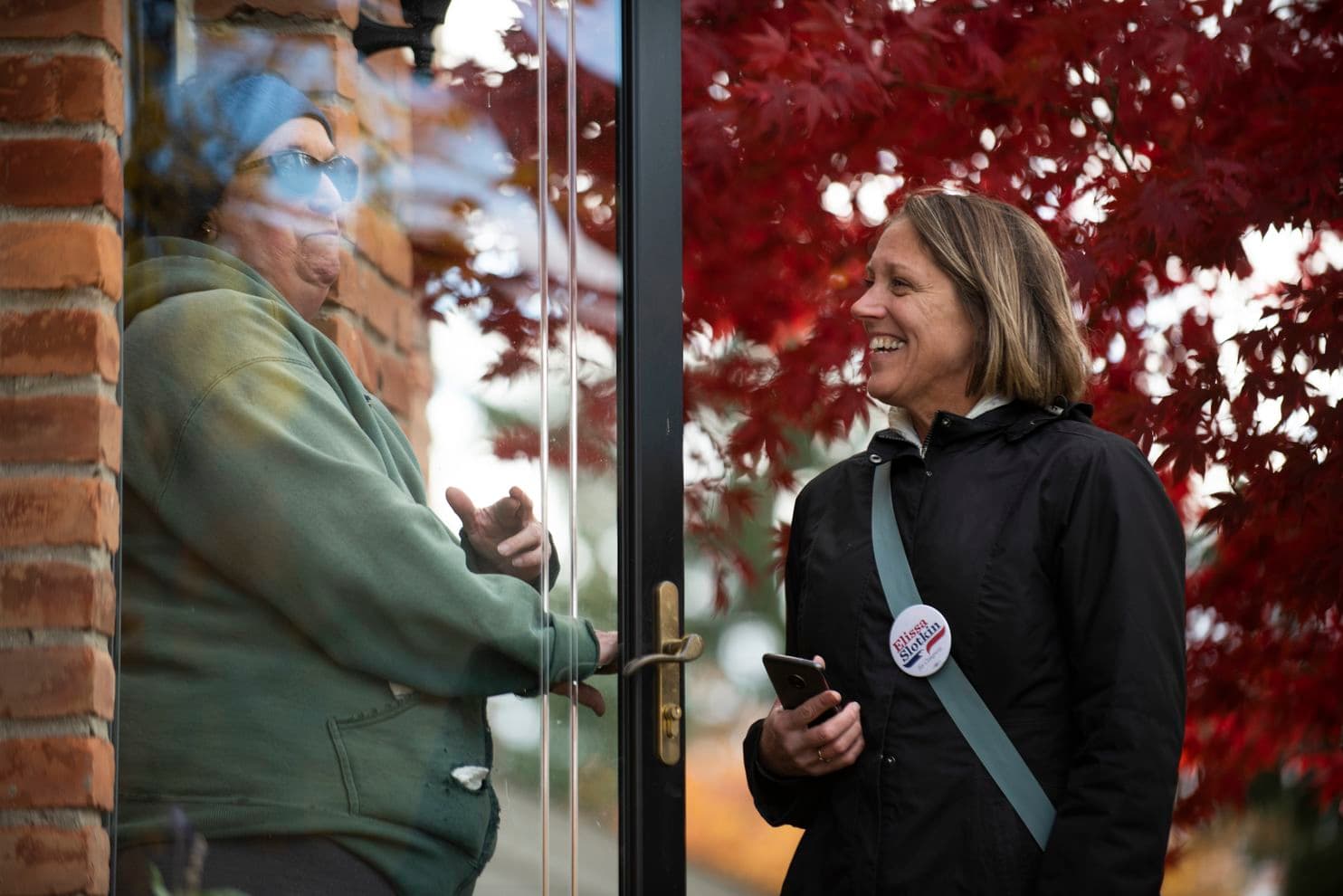
But there’s no need to stop canvassing. Perhaps it’ll be less formal than a campaign might canvass – no mobile app, no careful selection of which doors to knock and which to skip, no glossy door-hangers to leave behind. But canvassing is a formalized version of that most basic political act – talking.
Into this world came this song. It certainly wasn’t on the radio, but I had bought the album – my second Dylan album – and listened to it, late at night, in the living room, on the hi-fi console, with my headphones on, in stereo.
When I first heard it, it was just “the next track” on the album. But halfway through, I stopped and moved the needle back to the beginning. I listened. Then played it again. And again. And again.
I learned, in 5 minutes, about poverty. Farming. South Dakota. Pain. Helplessness. Desperation. Terror. Loss.