





Imprison People Because Jobs and Taxes: Michigan Value?
There’s money to be made, and there are jobs to be created, by imprisoning people. And there are many private, for-profit companies feeding at that trough.
Is that a Michigan Value?
There’s money to be made, and there are jobs to be created, by imprisoning people. And there are many private, for-profit companies feeding at that trough.
Is that a Michigan Value?

Let’s find a way to pay for it, whatever it costs. Because, if it’s a good thing to do, if it solves an intolerable problem, then we should do it. Not because we can afford it, but because we need it.
Because we can’t afford to not do it.

Uncertainty damages business … and people too. Too bad about the student loan forgiveness plan. I remember (in 2012) when the Bush tax cuts of 2003 were scheduled to expire. Republicans raised a hue and cry about the “uncertainty” that this cast upon our economy. Businesses didn’t know how to plan – should they expect…

If the impeachment managers hope to win this persuasion argument, they must speak to how Republican senators can stay in power – or recover their lost power – or protect themselves from the loss of power. They need to demonstrate that the actions of the defendant threaten the ruling authority of these Republican senators.
Lena Epstein’s unusual pre-primary attack ad may have revealed her fear of facing a female Democratic opponent in the November General Election. Epstein, a leading Republican candidate for Michigan’s 11th Congressional District seat, launched a television ad attacking Democrat Tim Greimel. The ad criticised Greimel for being “anti-Trump” and pro-choice. Epstein’s campaign has emphasized her loyalty…
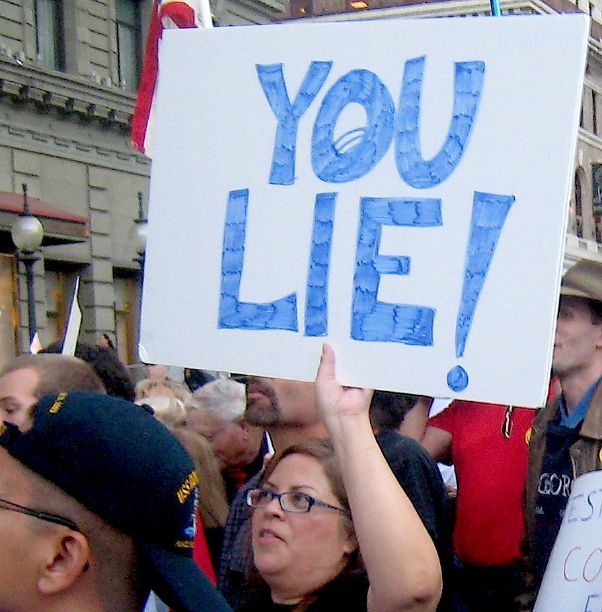
was Trump Jr. lying when he denied having a meeting or is he lying now when he claims he did have a meeting?
If you were Trump, Sr., how would you discredit all of your critics? How would you prove that the press is lying? Here’s what I would do…


As we await the trial phase of the impeachment proceedings, it’s apparent that many members of the U.S. Senate are jumping past the first question – the question of fact – and starting on the question of punishment.
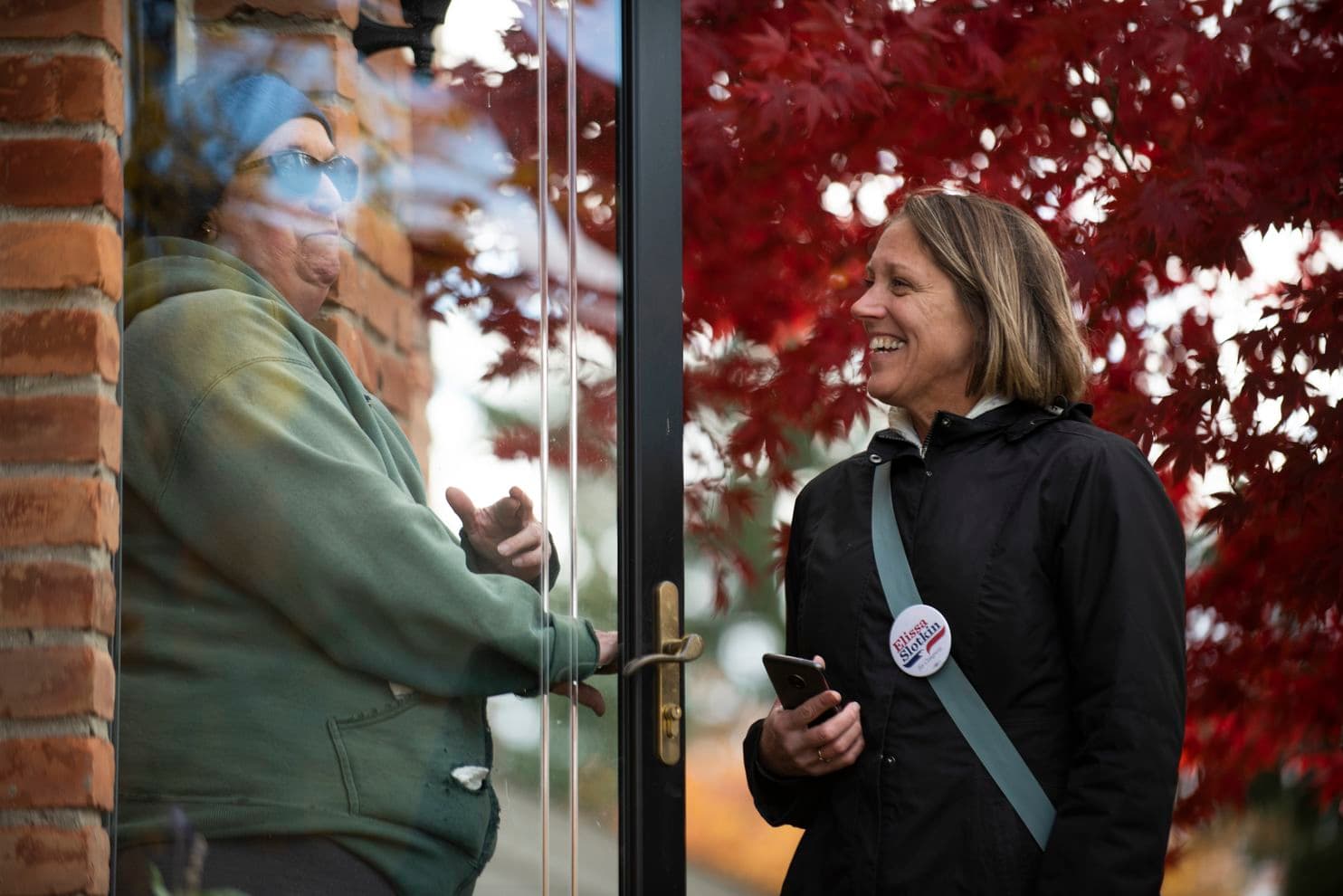
But there’s no need to stop canvassing. Perhaps it’ll be less formal than a campaign might canvass – no mobile app, no careful selection of which doors to knock and which to skip, no glossy door-hangers to leave behind. But canvassing is a formalized version of that most basic political act – talking.