
Results AND Resistance
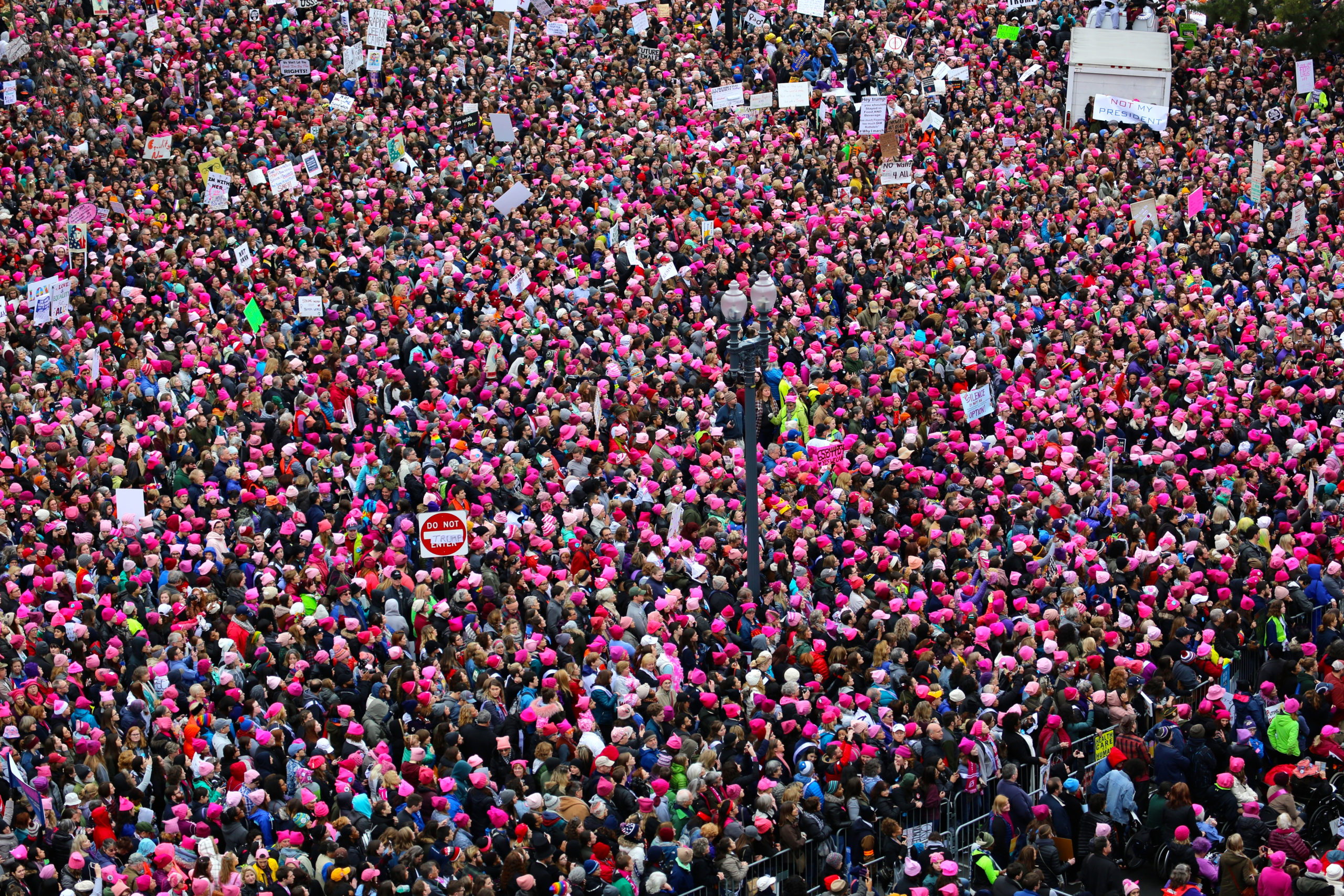
What do we resist? We resist job losses. We resist wage stagnation. We resist corporate welfare. We resist corruption. We resist cruelty. We resist dictators.
We resist Republicans.
What do we resist? We resist job losses. We resist wage stagnation. We resist corporate welfare. We resist corruption. We resist cruelty. We resist dictators.
We resist Republicans.
It plays on your sense of guilt that you missed an email, that you rudely ignored an email, that the sender is really interested in helping you – when, in fact, this email is just a pretense.
You get what you measure. That’s another well-known truth in business organizations. When you want a particular kind of outcome (say, increased customer base for a lagging product), you require your workers to measure that outcome and report the results. The effect is that workers focus on improving their measurements – sometimes to the detriment…
Into this world came this song. It certainly wasn’t on the radio, but I had bought the album – my second Dylan album – and listened to it, late at night, in the living room, on the hi-fi console, with my headphones on, in stereo.
When I first heard it, it was just “the next track” on the album. But halfway through, I stopped and moved the needle back to the beginning. I listened. Then played it again. And again. And again.
I learned, in 5 minutes, about poverty. Farming. South Dakota. Pain. Helplessness. Desperation. Terror. Loss.
We are now being tested, testing whether that nation, or any nation so conceived and so dedicated, can long endure. What progress we have won seems to be slipping away, not by the natural forces of time and change, but by the sinister forces of greed and wealth and power and deceit. Like our predecessors whose radical ideas have gone before, we must persist.
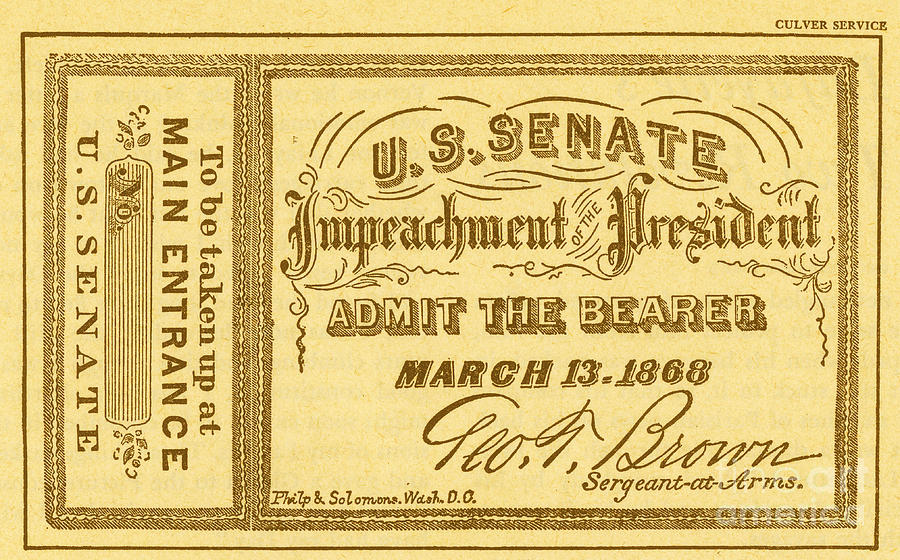
Contempt of Congress and obstruction of congressional investigaton is the crucial charge in the impeachment litany. It ask the simple but central question: Does Congress matter?
We trust in the institution of government, a government that is, in the end, made up of all of us, all of the people, a government that creates the law by which we agree to be governed.
Give 30 minutes to walk out and return, then give an hour to study of these basic tenets of being a citizen in the US, their history, the difficulties of conflicts between rights and safety, how bills become law, and how protests change (or don’t change) law, how courts decide conflicts.
Basic civics education.
Saturday night would have been the time to shift to a wholly-positive campaign. To inspire voters. To call them to “Yes, we can”, “We Dare to Dream”, and “We have before, we will again”.
For most people, democracy only exists on election day. And for many people, the vote itself was lost long ago. For them, democracy has no place in their lives. They feel that their vote and their voice already don’t matter.
For them, losing democracy isn’t something to worry about